Skip to content


Cast Iron Cookware Myths vs. Facts: What You Should Know Before Cooking
If you’ve ever considered cooking with cast iron cookware, you’ve probably heard things like “it’s way too heavy,” “it rusts if you look at it wrong,” or “cleaning it is a nightmare.” These common cast iron myths have made plenty of home cooks, and even experienced ones, hesitate before adding cast iron to their kitchens.
But the reality is very different.
Cast iron cookware is one of the most versatile, reliable, and long-lasting options you can cook with. With proper care, a quality cast iron piece can last a lifetime and even be passed down to the next generation.
At Victoria, we’ve spent more than 85 years working with cast iron, so we know a thing or two about what’s true, what’s exaggerated, and what’s simply a myth.
Here’s what you really need to know about cast iron cookware, and why it remains one of the most dependable choices for your kitchen.
Cast Iron Myth #1: “Cast iron cookware is difficult to clean”
The reality: Cleaning cast iron cookware is much easier than most people think.
One of the most common mistakes is treating cast iron exactly like every other piece of cookware. Cast iron has its own simple care routine, and once you get used to it, it quickly becomes second nature.
After cooking:
- Rinse your cast iron cookware with warm water.
- If food is stuck to the surface, gently scrub it with a brush or non-abrasive sponge.
- You can also use a small amount of mild, non-abrasive dish soap when needed.
- Dry your cookware immediately and thoroughly to prevent moisture from sitting on the surface.
- Apply a few drops of vegetable oil and spread a very thin layer over the cooking surface with a clean cloth or paper towel.
That final step helps protect the surface and maintain the cookware’s seasoning. With regular use and proper care, the cooking surface continues to improve over time.
The truth: Cleaning cast iron cookware isn’t complicated. It’s simply about developing the right care routine.
Cast Iron Myth #2: “Cast iron cookware rusts easily”
The reality: Rust can happen when cast iron is exposed to moisture for too long, but it is both preventable and fixable.
Like other iron-based materials, cast iron can develop rust if it’s stored while damp or left unprotected. Fortunately, preventing it is simple:
- Always dry your cookware thoroughly after washing. Moisture is the main cause of rust.
- Maintain a very thin layer of oil. This helps protect the cooking surface.
- Store it in a dry, well-ventilated place.
And if you do notice a little rust, your cookware isn’t ruined.
Light surface rust can usually be scrubbed away. Once removed, wash and dry the cookware thoroughly, then re-season it to restore the protective layer.
The truth: Rust doesn’t mean the end of your cast iron cookware. With proper care, it’s easy to prevent and, in many cases, easy to restore.
Cast Iron Myth #3: “Cast iron cookware is too heavy”
The reality: Cast iron is more substantial than many other cookware materials, but that weight comes with real cooking advantages.
Its solid construction helps cast iron cookware:
- Hold heat exceptionally well. Food stays hot longer, even after you bring the cookware to the table.
- Maintain consistent cooking temperatures. Once properly preheated, cast iron delivers steady heat for reliable results.
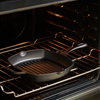
- Handle high temperatures. Depending on your cookware and cooking setup, cast iron can move from the stovetop to the oven, grill, or even an open flame.
That solid construction is also part of what makes cast iron cookware so durable. With proper care, it is designed for years of use rather than frequent replacement.
The truth: Yes, cast iron cookware is heavier, but that substantial construction is also one of the reasons it performs so well and lasts so long.
More Cast Iron Myths Worth Clearing Up
“You can’t cook acidic foods in cast iron cookware.”
False. A well-seasoned cast iron pan can handle many recipes made with ingredients like tomatoes, wine, or citrus.
For especially acidic dishes or recipes that require long simmering times, maintaining a strong layer of seasoning will help keep your cookware performing at its best.
“Cast iron cookware isn’t nonstick.”
Not exactly.
Cast iron cookware doesn’t rely on a synthetic nonstick coating. Instead, regular cooking and proper seasoning help build a naturally slicker cooking surface over time.
The more you cook with it, and the better you care for it, the better that surface can become.
“Cast iron cookware is only for steak and grilling.”
Definitely not.
Victoria cast iron cookware can be used for far more than searing meat. Think:
- Freshly baked bread
- Cobblers and desserts
- Roasted vegetables
- Homemade pizza
- Stews and braises
- Eggs
- Tortillas
- Cornbread
- One-pan meals
From breakfast to dessert, cast iron cookware is one of the most versatile tools you can keep in your kitchen.
So, Why Choose Victoria Cast Iron Cookware?
Beyond the most common cast iron myths, Victoria cast iron cookware is designed to bring durability, versatility, and confidence to everyday cooking.
Our cookware is:
- Made without PFOA or PFAS-based synthetic nonstick coatings
- Pre-seasoned with flaxseed oil
- Versatile enough to move from stovetop to oven and straight to the table
- Built for long-term use and designed to become part of your kitchen for generations
With Victoria, cooking with cast iron cookware is about more than the cookware itself. It’s about becoming part of a tradition shaped by craftsmanship, performance, and meals worth remembering.
Because the best cast iron cookware doesn’t just help you make dinner.
It becomes part of the stories you create around the table.